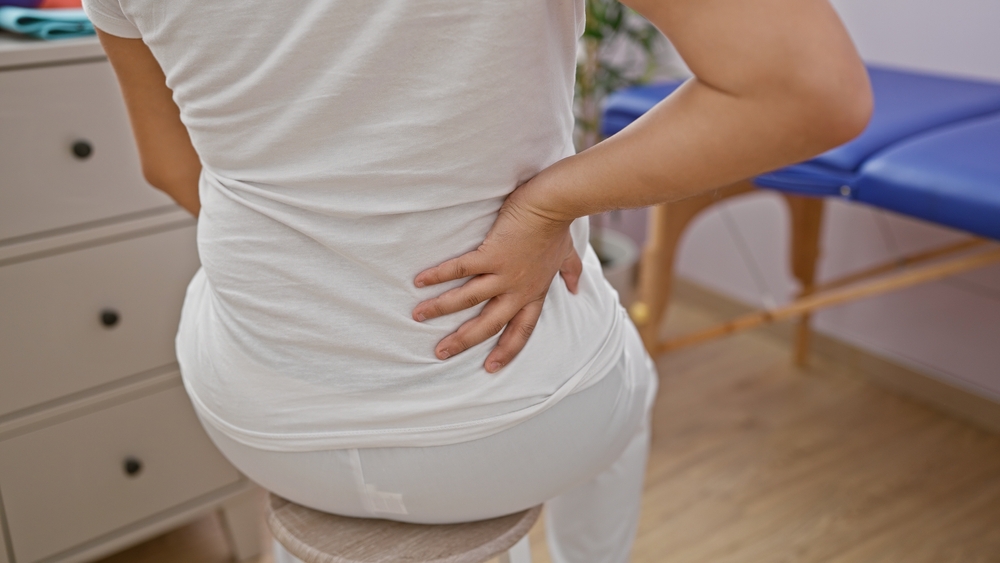
Dealing with a diagnosis of spinal stenosis can feel like receiving a roadmap with no clear exit. The narrowing of the spaces within your spine can put pressure on the nerves that travel through the spine, often resulting in localized pain, numbness, or a heavy sensation in the legs. For many patients, the fear is that this condition inevitably leads to the operating table. However, clinical evidence suggests that a significant number of patients can manage their symptoms effectively and maintain a high quality of life without ever needing an invasive procedure.
At ImPackt Physical Therapy, we specialize in helping patients in Riverton and South Jordan, Utah, navigate these challenges by focusing on functional movement and long-term relief. Our team understands that every spine is unique, and we are dedicated to providing comprehensive care for various back injuries through personalized rehabilitation plans. Here are some basics on spinal stenosis, plus non-surgical physical therapy treatments that are often effective, and some signs that a surgical approach might be required in some cases.
Defining Spinal Stenosis and Common Symptoms
Spinal stenosis is primarily a condition of wear and tear, often associated with osteoarthritis or general age-related changes in the spine. As the spinal canal or the intervertebral foramina narrow, the space available for the spinal cord and nerve roots diminishes. This mechanical compression can lead to a variety of neurological and musculoskeletal symptoms. Most patients report that their discomfort is positional; they might feel fine while sitting or leaning forward over a shopping cart, but experience significant pain when standing tall or walking long distances. This occurs because certain positions further compress the nerve pathways, while others create temporary relief by opening those narrow spaces.
The symptoms often manifest gradually. You might notice a tingling sensation in your feet, a dull ache in the lower back, or weakness in the legs that makes you feel unsteady. In more advanced cases of back injuries, patients describe a “claudication” effect, where leg pain becomes so intense during activity that they must stop and rest. Identifying these patterns early is crucial for the success of non-surgical spinal stenosis treatment. Understanding how your body reacts to different movements allows us to design a program that specifically targets the areas of greatest constriction.
Explaining Common Physical Therapy Approaches
Physical therapy serves as the cornerstone of non-surgical spinal stenosis treatment because it addresses the underlying biomechanical issues contributing to nerve pressure. One of the primary focal points is posture correction. Many patients subconsciously adopt a posture that worsens their condition. By teaching you how to maintain a “neutral spine” and adjust your pelvic tilt, we can often alleviate the immediate pressure on sensitive nerves. This isn’t just about standing up straight; it is about finding the specific alignment that maximizes space within your spinal canal.
Core strengthening and stretching go hand-in-hand with postural adjustments. When we talk about the core, we are looking at the deep stabilizing muscles like the transverse abdominis and the multifidus. A strong “internal corset” provides better support for the vertebrae, reducing the load placed on the bony structures of the spine. We complement this strength with targeted stretching for the hip flexors and hamstrings. Tightness in these areas can pull the pelvis into an anterior tilt, which increases the arch in your lower back and narrows the spinal canal. By lengthening these muscles, we help keep the spine in a more open, comfortable position.
Pain Management Options
Beyond exercise, there are several clinical tools used to manage the daily discomfort associated with back injuries. Manual therapy is a highly effective hands-on approach where a therapist uses specific techniques to mobilize the joints and soft tissues. This can help reduce muscle guarding and improve the fluid dynamics around the nerves. Additionally, traction is often utilized to provide temporary decompression. By gently stretching the spine, traction creates a negative pressure that can help take the “pinch” off a compressed nerve root, providing a window of relief that allows you to participate more fully in your strengthening exercises.
Activity pacing is another vital component of non-surgical spinal stenosis treatment. Many patients fall into a cycle of over-exertion followed by days of intense pain. We work with you to identify your “threshold”—the point at which symptoms typically begin—and develop strategies to stay active without crossing that line. This might involve modifying how you perform household chores or choosing low-impact aerobic activities like swimming or cycling. Managing your energy and movement throughout the day ensures that you stay mobile without constantly aggravating the neural pathways.
When Surgery Might Be Necessary
While our goal is always to achieve success through non-surgical spinal stenosis treatment, there are specific clinical indicators that suggest a surgical consultation is the safest path forward. If a patient experiences “red flag” symptoms, such as a sudden loss of bowel or bladder control, significant and progressing muscle weakness, or “saddle anesthesia” (numbness in the groin area), surgery may be required to prevent permanent nerve damage. These symptoms suggest a level of compression that conservative measures simply cannot resolve.
For the vast majority of patients dealing with chronic back injuries, however, the conservative route provides a sustainable way to manage the condition. Surgery is often seen as a last resort because of the recovery time and the potential for adjacent segment disease later in life. If you can maintain your desired activity level and keep your pain at a manageable level through physical therapy, the risks of surgery are often unnecessary. Our role is to monitor your progress closely and ensure you are making the gains needed to stay off the operating table.
If you are ready to find relief and improve your mobility, the experts at ImPackt Physical Therapy are here to guide you through every step of your recovery. Our clinics in Riverton and South Jordan are equipped to handle complex back injuries with a focus on patient-centered results. Contact us today to schedule your evaluation and discover how a customized non-surgical spinal stenosis treatment plan can change your outlook on spinal health.