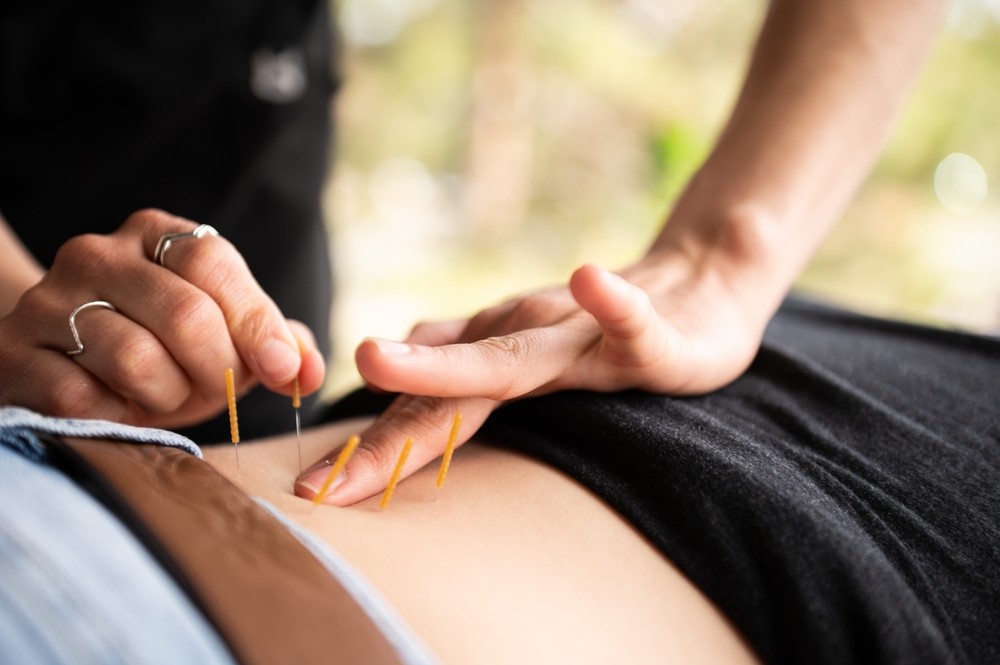
There are a number of different approaches to chronic pain treatment that have proven effective for various individuals, and one great example is dry needling treatment. For those who have seen initial success with dry needling for low back pain in particular, a common question often arises: How often should it be done for optimal results?
At ImPackt Physical Therapy, we’re proud to offer the best dry needling services available around South Jordan, Riverton and nearby parts of Utah, in addition to various other physical therapy programs and services. Here are some basics on dry needling and why it’s so beneficial for lower back pain in particular, plus some tips on frequency recommendations depending on your specific needs.
Dry Needling Basics and Benefits for Lower Back Pain
For those just learning about dry needling, it’s a form of physical therapy that involves inserting thin needles into trigger points or tight areas of muscle in order to relieve pain and tension. These needles are much thinner than those used in traditional acupuncture, and they specifically target soft tissues rather than energy meridians. This technique helps to release tension and improve blood flow to the affected area, promoting healing and reducing pain over time.
Dry needling is particularly effective for lower back pain, as this area tends to accumulate trigger points due to sedentary lifestyles, poor posture, or injuries. When these trigger points are released through dry needling, patients often experience immediate relief from pain and increased flexibility in the affected muscles. Over time, dry needling can also help to improve muscle strength and prevent future injuries in the lower back.
In addition to treating pain and injuries, dry needling can also be used for performance enhancement in athletes. By targeting trigger points and improving blood flow to specific muscles, dry needling can help athletes recover faster from intense training sessions or competitions. It can also improve overall athletic performance by increasing joint range of motion and reducing muscle tension.
Acute Vs. Chronic Frequency Recommendations
When it comes to how often you should receive dry needling treatment for lower back pain, much of the conversation will revolve around whether the pain is acute or chronic in nature.
For acute injuries, dry needling tends to be most effective on a one-off or two-off basis. This means that one or two sessions of dry needling may be enough to effectively treat the injury and provide relief from pain and discomfort. However, if the injury is chronic, it may require more frequent treatment sessions over a longer period of time.
In general, it is recommended to schedule dry needling treatments at least once per week for chronic conditions. This allows for consistent progress to be made in reducing pain and improving overall function. For acute injuries, treatments may be spaced out further apart depending on the severity of the injury and the individual’s response to treatment.
Possible Complementary Therapies
Like many other specific forms of physical therapy, dry needling is often combined with other complementary therapies to achieve the best results. Some of the most common complementary therapies used alongside dry needling include:
- Manual massage therapy: This involves hands-on manipulation of soft tissues to improve blood flow, reduce muscle tension, and promote relaxation.
- Stretching exercises: These can help improve flexibility and range of motion, which in turn can reduce pain and prevent future injuries.
- Heat or ice therapy: Applying heat or ice to the affected area can help decrease inflammation and alleviate pain.
- Electrical stimulation: This involves using electrical currents to stimulate nerves in the affected area, which can help reduce pain and promote healing.
- Chiropractic care: Chiropractors use spinal manipulations to restore joint function and alleviate pain.
It is important for individuals undergoing dry needling to communicate with their therapist about any other treatments they are receiving. This will help you coordinate the ideal overall treatment plan.
Signs of Improvement and When to Adjust Treatment
How do you know when it might be time to adjust your dry needling treatment plan? Here are a few signs that you may be making progress and can consider reducing the frequency of treatments or adding other types of therapy:
- Reduction in pain: If you start to experience less pain or discomfort in the affected area, it could be a sign that your muscles and nerves are responding well to dry needling.
- Increased range of motion: Dry needling can help improve joint mobility and flexibility, so if you notice that you have an easier time moving the affected area after treatment, this could indicate progress.
- Improved function: Whether it’s being able to lift your arm above your head without pain or being able to walk more comfortably, improved function is a positive sign that your treatment is working.
- Decrease in trigger points: Trigger points are knots or tight bands of muscle that can cause pain and stiffness. Dry needling helps release these trigger points, so if you feel a decrease in their intensity or frequency, it’s likely a good sign.
- Better sleep: Pain and discomfort can often disrupt our sleep patterns. If you find that you’re sleeping better after dry needling treatments, this could be a sign that your body is responding well to the therapy.
At ImPackt Physical Therapy, we’re here to help with all your dry needling and other physical therapy needs around South Jordan, Riverton and nearby parts of Utah. Contact us today to learn more or schedule an appointment!